Our continuing education committee has been hard at work to bring you exciting new learning opportunities. We hope you'll join us!
Registration links are available in each course description below. For details on clock hours/CEUs (including pdEnroller enrollment instructions), course completion requirements, and WSLHA policies, please review the FAQs at the bottom of the page.
Part 1 Date: Live on Tuesday, October 6, 2026; Recorded on-demand version available from October 7, 2026 through October 31, 2026.
Part 1 Time (Duration): 6:30-8:30 pm PST (120 minutes)
Presenters: Katie Clutter, M.A., CCC-SLP; Kendra Holloway, M.S., CCC-SLP; Kate Pilant, M.S., CCC-SLP; Michail Clutter, MBA
Registration cost: Part 1 only: $50 Public/Non-members, $35 WSLHA Members, $0 Students; Part 1 & 2: $90 Public/Non-members, $50 WSLHA Members, $0 Students
ASHA CEUs and clock hours available for attending or watching the entire event.
This two-part course series is designed to support speech-language pathologists and other relevant professionals in preparing for changes related to Current Procedural Terminology (CPT) code 92507. The series will provide practical guidance for understanding the changes, adapting clinical documentation, and implementing appropriate billing practices across pediatric and adult clinical settings.
Part 1 will be a two-hour instructional course beginning with a brief overview of the changes affecting CPT code 92507 and their anticipated impact on clinical practice. Presenters will discuss documentation strategies, including how to structure SOAP notes and other clinical records so that the services provided, treatment time, and codes billed are clearly supported. The course will also address billing considerations for timed codes, including practical strategies for tracking treatment time, selecting appropriate codes, and aligning documentation with submitted claims.
Near the conclusion of Part 1, participants will be introduced to a case-based coding-transition worksheet designed to help them apply the course content to a clinical encounter. Presenters will briefly review the structure and intended use of the worksheet. Participants will be encouraged to use it to examine a de-identified case from their own practice before attending Part 2.
Learning Objectives - Learners will be able to:
Identify and differentiate the 10 new codes replacing 92507 and be able to match each code to the clinical focus and time increment it represents.
Draft defensible documentation that that links diagnosis, treatment goals, and session narrative to total treatment time, and cites the correct base and add-on codes for that time.
Apply Centers for Medicare & Medicaid Service's (CMS's) time-based billing rules to determine when multiple domain codes may be stacked in a single session, including for add-on units.
Assessment Type - Self-assessment: Consider the learning objectives for this course and please state three things you learned.
Katie Clutter, M.A., CCC-SLP, is an owner and COO of Children’s Therapy of Woodinville and WSLHA Clinical Practice Committee Board Representative. A practicing SLP since 2006, she brings experience in clinical documentation, reimbursement, payer requirements, coding changes, and the operational challenges facing outpatient speech-language pathology practices.
Kendra Holloway, M.S., CCC-SLP, is an owner and Clinic Director of Columbia Pediatric Therapy and WSLHA Clinical Practice Committee Chair. As an SLP advocate, clinician and clinic director of a multi-disciplinary practice, she brings experience in clinical documentation, reimbursement, payer requirements, coding changes, and the operational challenges facing outpatient speech-language pathology practices.
Kate Pilant, M.S., CCC-SLP, is the owner of A Speech Path, WSLHA’s ASHA STAR representative, WSLHA’s president-elect and Clinical Practice Committee member. Through her day job and volunteer positions, she brings professional experience with coding, reimbursement and operational challenges, as well as a dedicated curiosity in understanding the larger systems and national trends with the goal of advocating for our SLP community.
Michail Clutter, MBA, is CFO and Revenue Cycle Manager for Children’s Therapy of Woodinville. He holds B.S. degrees in Accounting, Health Information Management, and Data Management and Data Analytics. He is an American Academy of Professional Coders member, HEALTHCON Advisory Board participant, and former U.S. Navy Nuclear Operations Instructor and Master Training Specialist.
Event Disclosures:
Instructor:All presenters received a voucher for a future WSLHA Continuing Education event as compensation for this presentation. Katie Clutter, Kendra Holloway and Kate Pilant are all private practice owners, WSLHA members, WSLHA volunteers, and ASHA members.
Content Disclosures: No relevant content disclosures.
Part 1: Offered for 0.2 ASHA CEUs, Intermediate Level, Subject Code: 7010 (Service Delivery Associated with Speech, Language, Hearing and Related Disorders), or 2 Professional Development Hours (PDHs) / 2 Clock Hours.
Part 1 & 2: Offered for 0.35 ASHA CEUs, Intermediate Level, Subject Code: 7010 (Service Delivery Associated with Speech, Language, Hearing and Related Disorders), or 3.5 Professional Development Hours (PDHs) / 3.5 Clock Hours.
See FAQ for OSPI Clock Hours instructions via Pd Enroller.
Learning assessments must be completed by 11:59 PM PST on October 31, 2026 (Part 1) and November 30, 2026 (Part 2).
Date: Live on Monday, October 19, 2026; Recorded on-demand version available October 20, 2026 through October 31, 2026.
Time:7:00-8:30 pm PST (90 minutes)
Presenters: Megan Sutton, M.S., CCC-SLP and Shezena Shahid, M.S., CCC-SLP
Registration cost: $35 Public/Non-members, FREE for WSLHA Members & Students
ASHA CEUs and clock hours available for attending or watching the entire event.
In adult neurorehabilitation, clinicians must balance evidence-based treatment, functional relevance, treatment intensity, and carryover beyond the therapy session, all within real-world constraints of time, documentation, and patient access. This 90-minute presentation will explore a comprehensive, clinically grounded approach to adult neuro treatment using the Tactus Virtual Rehab Center. Through live demonstration and case-based discussion, participants will see how a centralized digital platform can support planning, treatment, home practice, and patient education across multiple neurogenic disorders.
The session will include clinical case studies, representing aphasia, cognitive-communication disorders, and dysphagia, to illustrate how treatment selection, cueing, and progression can be individualized while maintaining an evidence-based framework. Participants will learn how the Virtual Rehab Center integrates research-driven treatment design, intensity principles, and health-literacy-informed handouts to support both clinician efficiency and patient engagement. Current evidence related to treatment intensity, home practice, and digital therapy delivery will be reviewed. Attendees will leave with concrete strategies to improve treatment carryover, support patient independence, and leverage digital tools to deliver comprehensive, evidence-based adult neurorehabilitation.
Learning Objectives - Participants will be able to:
List 3 common barriers adult medical SLPs face in today's healthcare environment.
Explain how technology can be used to increase treatment intensity in patients with acquired brain injuries.
Identify 4 evidence-based treatment approaches for cognitive-communication.
Assessment Type - Self-assessment: Consider the learning objectives for this course and please state three things you learned.
Instructor Megan Sutton, M.S., CCC-SLP, is a speech-language pathologist and the co-founder and CEO of Tactus Therapy. She specializes in aphasia rehabilitation and has worked clinically across a wide range of settings. Megan is the co-author of "Healing the Broken Brain" and an internationally invited speaker on technology and aphasia. Her therapy apps and blogs are used worldwide in clinical education and adult neurorehabilitation.
Instructor Shezena Shahid, M.S., CCC-SLP, is a medical speech-language pathologist and software designer with extensive experience across settings. As a lead contributor at Tactus Therapy, Shezena creates evidence-based content and tools that empower patients and clinicians alike. She is passionate about bridging clinical expertise with digital innovation to support adults with communication, cognitive and swallowing impairments.
Event Disclosures:
Instructors: Both instructors work as full-time employees of Tactus Therapy, the developer of the software talked about in the presentation.
Content Disclosures: Tactus Virtual Rehab Center will be exclusively discussed in this webinar.
This course is offered for 0.15 ASHA CEUs, Intermediate Level, Subject code: 8010 Computer and Technology Applications, or .15 Professional Development Hours.
To earn continuing education credit, you must complete the learning assessment by 11:59pm Pacific Time, October 31st, 2026.
The school committee will be joined by Dr. Lesley Sylvan (Montclair State University) to discuss the SLP's role in implementing MTSS in this Town Hall-style event. Please bring your questions and comments to this interactive event.
Dr. Lesley Sylvan will provide a 20 minute background presentation on MTSS and the SLPs role in the schools. Following this presentation, Dr. Sylvan and members of the school committee (Ashley Pederson and Michelle Raymond) will facilitate an interactive town hall. Guiding questions and discussion topics will be provided, including: What is the difference between MTSS and RTI? What are some examples of MTSS and each level? How to SLPs fit in to the process? How much progress needs to be seen to determine if an evaluation is needed? What does MTSS look like on a day-to-day basis?
This event is meant to be interactive with our community; audience participation via chat and video will be encouraged.
Learning Objectives - Participants will be able to:
Describe MTSS and the SLPs role as part of a collaborative intervention team.
Identify barriers and facilitators the MTSS process in the schools.
Outline strategies for implementing different tiers of MTSS in classrooms.
Assessment Type - Self-assessment: Consider the learning objectives for this course and please state three things you learned.
Part 2 Date: Live on Tuesday, November 3, 2026; Recorded on-demand version available from November 4, 2026 through November 30, 2026.
Part 2 Time (Duration): 7:00-8:30 pm PST (90 minutes)
Presenters: Katie Clutter, M.A., CCC-SLP; Kendra Holloway, M.S., CCC-SLP; Kate Pilant, M.S., CCC-SLP; Michail Clutter, MBA
Registration cost: Part 1 & 2: $90 Public/Non-members, $50 WSLHA Members, $0 Students; Note: Participants must have completed Part 1 either live or via recording to participate in Part 2.
ASHA CEUs and clock hours available for attending or watching the entire event.
This two-part course series is designed to support speech-language pathologists and other relevant professionals in preparing for changes related to CPT code 92507. The series will provide practical guidance for understanding the changes, adapting clinical documentation, and implementing appropriate billing practices across pediatric and adult clinical settings.
Part 2 will be a 1.5-hour interactive follow-up course focused on applying the foundational information presented in Part 1. Participants will work through case studies representing pediatric and adult clinical settings and will have an opportunity to discuss de-identified scenarios from their own clinics or practice environments. The application-based format is intended to strengthen participants’ understanding, support clinical decision-making, and help them identify practical steps for implementing the changes within their organizations.
Learning Objectives - Learners will be able to:
Identify common documentation and timed-billing errors and determine appropriate corrections when given sample clinical cases.
Select the appropriate domain-specific code and timed units based on the diagnosis, clinical focus, and documented treatment time when given pediatric and adult case studies .
Draft treatment documentation that links the diagnosis, functional goal, skilled intervention, patient response, and treatment time to the proposed billing decision when given an assigned case study.
Assessment Type - Self-assessment: Consider the learning objectives for this course and please state three things you learned.
Katie Clutter, M.A., CCC-SLP, is an owner and COO of Children’s Therapy of Woodinville and WSLHA Clinical Practice Committee Board Representative. A practicing SLP since 2006, she brings experience in clinical documentation, reimbursement, payer requirements, coding changes, and the operational challenges facing outpatient speech-language pathology practices.
Kendra Holloway, M.S., CCC-SLP, is an owner and Clinic Director of Columbia Pediatric Therapy and WSLHA Clinical Practice Committee Chair. As an SLP advocate, clinician and clinic director of a multi-disciplinary practice, she brings experience in clinical documentation, reimbursement, payer requirements, coding changes, and the operational challenges facing outpatient speech-language pathology practices.
Kate Pilant, M.S., CCC-SLP, is the owner of A Speech Path, WSLHA’s ASHA STAR representative, WSLHA’s president-elect and Clinical Practice Committee member. Through her day job and volunteer positions, she brings professional experience with coding, reimbursement and operational challenges, as well as a dedicated curiosity in understanding the larger systems and national trends with the goal of advocating for our SLP community.
Michail Clutter, MBA, is CFO and Revenue Cycle Manager for Children’s Therapy of Woodinville. He holds B.S. degrees in Accounting, Health Information Management, and Data Management and Data Analytics. He is an AAPC member, HEALTHCON Advisory Board participant, and former U.S. Navy Nuclear Operations Instructor and Master Training Specialist.
Event Disclosures:
Instructor: All presenters received a voucher for a future WSLHA Continuing Education event as compensation for this presentation. Katie Clutter, Kendra Holloway and Kate Pilant are all private practice owners, WSLHA members, WSLHA volunteers, and ASHA members.
Content Disclosures: No relevant content disclosures.
Part 1 & 2: Offered for 0.35 ASHA CEUs, Intermediate Level, Subject Code: 7010 (Service Delivery Associated with Speech, Language, Hearing and Related Disorders), or 3.5 Professional Development Hours (PDHs) / 3.5 Clock Hours.
See FAQ for OSPI Clock Hours instructions via Pd Enroller.
Learning assessments must be completed by 11:59 PM PST on October 31, 2026 (Part 1) and November 30, 2026 (Part 2).
General Information/FAQs Applicable to All Live Events Hosted by WSLHA:
Refunds:Cancellations made at least 3 days before the event will receive a full refund, minus a $3 processing fee. No refunds will be issued for cancellations made after this deadline.
Satisfactory Completion: In order to be reported for ASHA CEUs, OSPI Clock Hours, and receive a WSLHA course Certificate of Attendance, each registrant MUST register, attend or attest to viewing the entire course session, and complete the learner outcome assessment and course evaluation within two weeks of the course.
Registrants: Please indicate any special needs during registration for which you would like accommodation.
OSPI Clock Hours – OSPI clock hours available through ESD 113 by registering at https://www.pdenroller.org/ prior to the event from ESD113. Fees may apply. OSPI clock hours must be purchased separately prior to the event from the ESD 113. You still must register and pay for the course through WSLHA.
ASHA CEUs will be reported when requested in the learner assessment following completion of the course. ASHA CE Provider approval and use of the Brand Block does not imply endorsement of course content, specific products, or clinical procedures.
Resolution of Complaints: WSLHA is committed to providing high-quality Continuing Education (CE) programs and encourages participants to submit written complaints within 3 days of program completion to [email protected]. Complaints will be reviewed promptly and a response outlining any resolutions or corrective actions will be provided within 5 business days.

 Live Webinar & CE Events
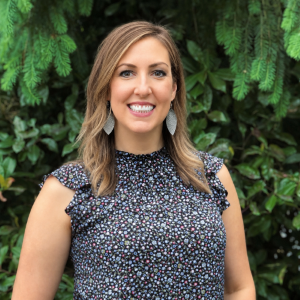 Katie Clutter, M.A., CCC-SLP, is an owner and COO of Children’s Therapy of Woodinville and WSLHA Clinical Practice Committee Board Representative. A practicing SLP since 2006, she brings experience in clinical documentation, reimbursement, payer requirements, coding changes, and the operational challenges facing outpatient speech-language pathology practices.
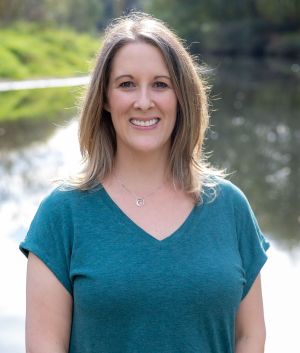 Kate Pilant, M.S., CCC-SLP, is the owner of A Speech Path, WSLHA’s ASHA STAR representative, WSLHA’s president-elect and Clinical Practice Committee member. Through her day job and volunteer positions, she brings professional experience with coding, reimbursement and operational challenges, as well as a dedicated curiosity in understanding the larger systems and national trends with the goal of advocating for our SLP community.
 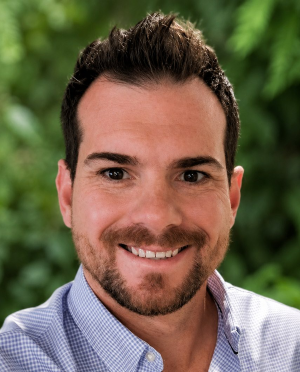 Michail Clutter, MBA, is CFO and Revenue Cycle Manager for Children’s Therapy of Woodinville. He holds B.S. degrees in Accounting, Health Information Management, and Data Management and Data Analytics. He is an American Academy of Professional Coders member, HEALTHCON Advisory Board participant, and former U.S. Navy Nuclear Operations Instructor and Master Training Specialist.